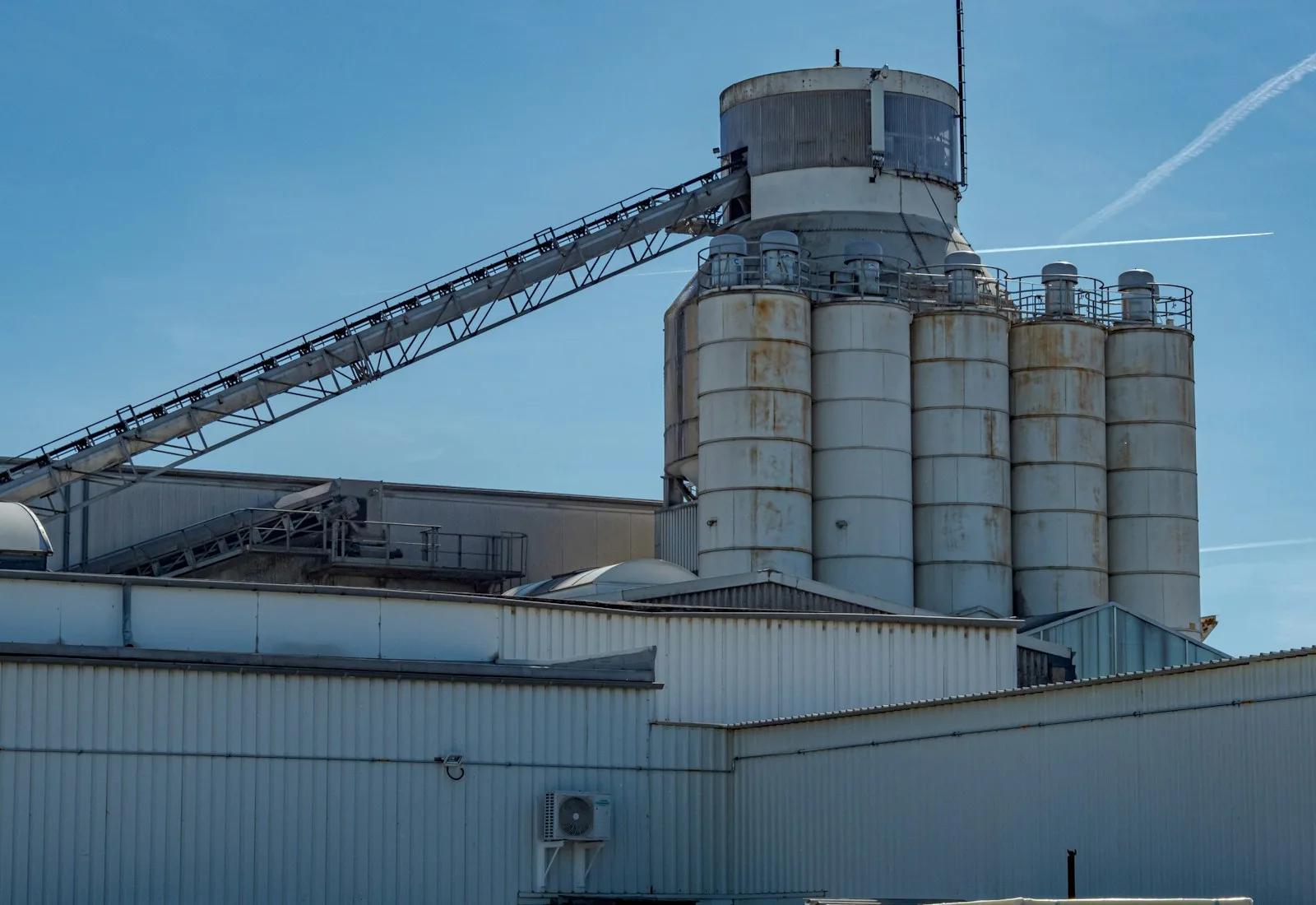
The transition from reactive break-fix IT support to proactive managed services requires more than just monitoring tools. It requires a complete reimagining of how IT support is delivered, prioritized, escalated, and documented. An industrial lime products manufacturer making the leap to managed services needed to establish the help desk practices, workflows, and documentation procedures that would make the managed services model sustainable and effective.
CMIT Solutions of Austin Central engaged in a focused 25-hour Help Desk Foundation project to establish those operational procedures, ensuring the managed services model would deliver consistent value long-term.
Project Snapshot
- Client: Industrial lime products manufacturer
- Industry: Industrial Manufacturing (Lime Products)
- Service: IT Support & Helpdesk
- Scope: 25 hours: support workflows, SLAs, ticketing configuration, knowledge base, escalation procedures, staff training, and a 30-day optimization period
- Outcome: A repeatable, scalable support model that can grow with the business
The Challenge
Break-fix IT reacts to problems one at a time, as they show up. Managed services works the other way around: issues are expected, tracked, prioritized, and handled the same way every time. For a manufacturer moving from one model to the other, the tools were only part of the answer. The company needed the day-to-day practices behind them: how a request comes in, how urgent it is, who handles it, when it moves up the chain, and how the fix gets recorded so the next person does not start from zero.
What Help Desk Foundation Really Means
This engagement was not a technology implementation. It was a workflow and process design project, establishing support procedures, service level agreements (SLAs), documentation standards, escalation paths, staff training, and performance metrics required for managed services delivery.
What CMIT Solutions Delivered
- Support Workflow Design: Documented procedures for handling common IT issues, escalations, and emergency situations
- SLA Definition: Established service levels aligned with business priorities and operations requirements
- Ticketing System Configuration: Customized the ticketing platform with templates, categorization, and automatic routing
- Knowledge Base Creation: Documented common issues and solutions for both IT staff and end-user self-service
- Escalation Procedures: Clear workflows for moving issues from help desk through specialist teams to management approval
- Staff Training: Comprehensive training on new procedures and systems
- 30-Day Optimization Period: Ongoing support to refine procedures based on real-world experience
Why This Matters for Managed Services
Organizations that invest in help desk infrastructure from the start see dramatically better outcomes in their managed services adoption. Support teams know how to handle requests consistently, escalations follow predictable paths, and management has visibility into metrics that validate the value of the engagement. The manufacturing facility now has a repeatable, scalable support model that can grow with the business.
Key Takeaways
- Moving from break-fix to managed services is a change in how support is delivered, prioritized, escalated, and documented, not just a new set of monitoring tools.
- SLAs, ticket routing, a knowledge base, and clear escalation paths are what make support consistent from one request to the next.
- A 30-day optimization period turns procedures written on paper into procedures that work on the plant floor.
Let's Write Your Success Story
Ready to move from break-fix to support you can count on? Contact CMIT Solutions of Austin Central or explore our IT Support & Helpdesk services. Curious how our help desk works day to day? Read how fast we answer, who picks up, and when a technician shows up.